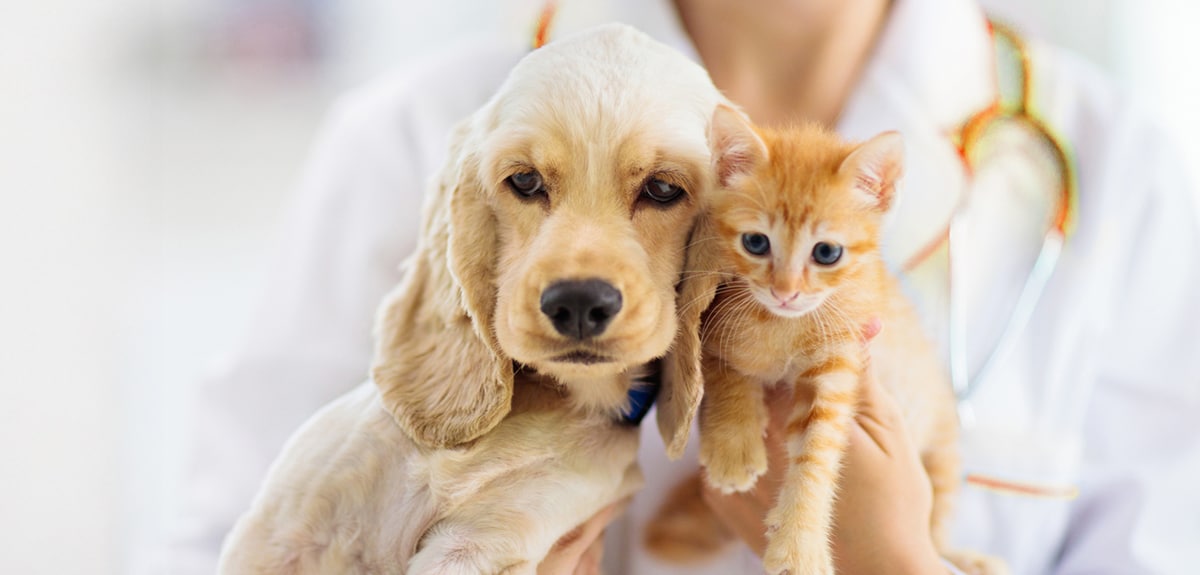
Congratulations! You’ve adopted a new little companion, and now they’re ready for their first visit to the vet. This is an important milestone, whether it’s your very first fur baby… or your fourth!
Many people expect this appointment to focus mainly on a physical exam, vaccinations, and deworming treatments. While those are certainly key elements, this first visit is about so much more than that!
A complete physical examination: the foundation of care
The visit begins with a thorough physical examination. This allows the veterinarian to check your puppy or kitten for any signs of concern, such as heart murmurs, dental issues, or other subtle abnormalities that are not always noticeable at home. Identifying these early helps ensure appropriate follow-up and care.
Vaccines: why are multiple doses necessary?
The first visit also marks the start of your pet’s vaccination series. Typically, the vaccination protocol involves three appointments
- at 8 weeks
- at 12 weeks
- at 16 weeks.
You may be wondering why vaccinations are repeated monthly. The reason is simple: puppies and kittens receive antibodies from their mothers that protect them, but these antibodies can also interfere with the vaccine’s effectiveness. Since maternal antibodies can persist until about 16 weeks of age, multiple doses are necessary to ensure to ensure optimal efficacy.
Conversely, in some animals, these maternal antibodies disappear as early as 8 weeks of age. Multiple doses help the immune system respond properly and give your pet complete protection.
Deworming and fecal examination: an essential step
Your veterinarian will likely ask if your pet has been dewormed and recommend a fecal examination. Even if your puppy or kitten was dewormed before adoption, they may still require additional treatments. Depending on the time of year, as well as the age and lifestyle of your pet, different parasite treatments may be suggested.
Pet insurance: worth considering early
Since animals don’t come with health insurance cards, pet insurance can be extremely helpful if unexpected medical issues arise. Insurance is generally more affordable and offers better coverage when purchased early, before any health problems occur.
Your veterinary team can explain the different options available to help you make an informed decision. That said, veterinarians do not sell insurance themselves.
Nutrition and dental care: getting off to a good start
Nutrition plays an essential role in your puppy or kitten’s growth. During their first visit, the veterinarian will review their current diet and offer recommendations tailored to their needs.
This visit is also an excellent time to talk about dental care, an aspect that is often overlooked but crucial for preventing oral disease. Yes, even puppies and kittens can start getting their teeth brushed!
Behaviour: all questions are welcome
Behavioural questions are very common at this stage, such as:
- How do I manage biting or mouthing?
- How should I introduce my pet to another animal?
- How can I help my kitten or puppy get used to nail trims?
Take advantage of this visit to ask your veterinarian anything that comes to mind: that’s what they’re there for.
Spaying/neutering, microchipping, and recommended tests
Your veterinarian will also discuss the ideal timing for spaying or neutering and explain the benefits for your pet’s health. They will also recommend microchipping. For each procedure, the veterinarian will provide you with a cost estimate to help you plan ahead.
For kittens, your veterinarian may also offer an FIV/FeLV blood test, which screens for two contagious feline diseases. Kittens can be carriers even without showing signs of illness, and knowing their status allows for more appropriate care.
In conclusion: building a relationship of trust
Your puppy or kitten’s first visit to the clinic is about more than medical care: it’s the beginning of a long-term partnership between you, your pet, and your veterinary team.
There is no such thing as a silly question!
Our shared goal is simple: to give your new companion a long, happy and healthy life. We look forward to meeting you both soon!